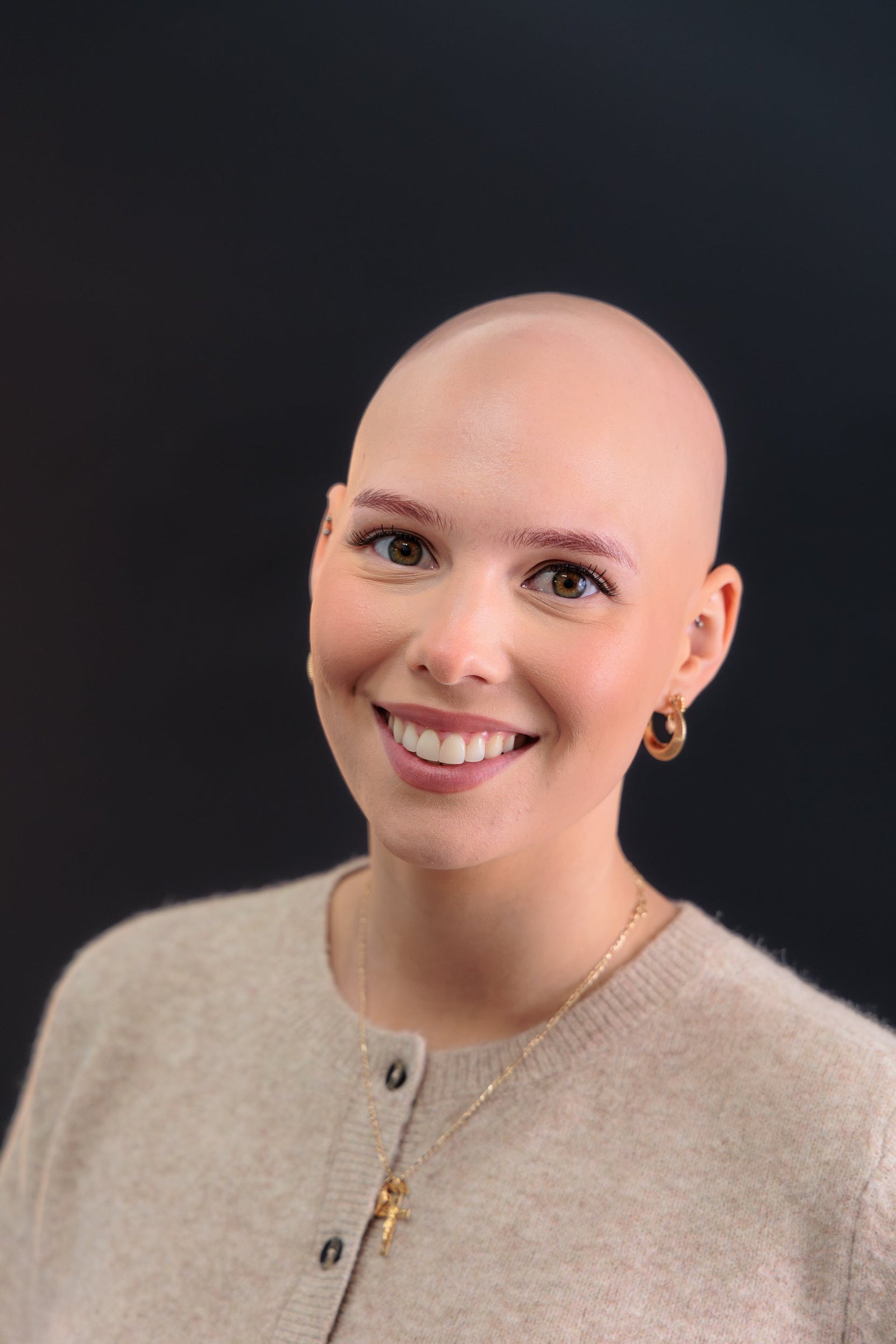

Hormonal Hair Loss in Women: Causes, Symptoms, & Confidence-Restoring Solutions
Hormonal hair loss in women occurs when shifts in key hormones disrupt the hair growth cycle, leading to thinning, widespread shedding, or pattern loss. This condition affects many women globally and can significantly impact self-esteem, emotional well-being, and social confidence.
In this guide, we’ll define hormonal hair loss, explain the roles of oestrogen, progesterone, DHT, and thyroid hormones, and explore how the anagen, catagen, and telogen phases are affected. We’ll examine the primary triggers, from menopause and PCOS to stress and thyroid issues, before reviewing how to recognise symptoms and discussing medical and lifestyle treatments.
Finally, we’ll highlight premium human hair wigs from Nuola Wigs as an immediate, aesthetic solution to restore a natural look, comfort, and confidence, including a 15% medical hair-loss discount.
Understanding Hormonal Hair Loss in Women
Hormonal hair loss in women occurs when changes in the endocrine system interfere with hair follicle health and growth. A drop in oestrogen and progesterone or a rise in androgens like dihydrotestosterone (DHT) can cause follicles to miniaturise, resulting in thinner hair shafts over successive cycles.
Genetic predisposition can intensify these effects, particularly in androgenetic alopecia, where DHT sensitivity accelerates thinning at the crown and temples. Understanding this process is key to exploring specific hormonal influences in more detail.
Hormonal fluctuations impact every stage of the hair growth cycle, anagen (growth), catagen (transition), and telogen (rest), leading to premature shedding or slower regrowth. When follicles enter telogen too early, diffuse shedding (telogen effluvium) can follow, often after childbirth or significant stress.
Conversely, prolonged androgen exposure shortens anagen, causing female pattern hair loss that appears as diffuse thinning and a widening part. Identifying these cycle disruptions helps us understand the common types of hormonal hair loss in women.
Hormones Affecting Female Hair Growth
Oestrogen, progesterone, androgens (testosterone and DHT), and thyroid hormones each play a crucial role in follicle function and hair-cycle regulation.
-
Oestrogen encourages longer anagen phases, promoting thicker, longer hair.
-
Progesterone helps balance androgen activity and supports a healthy scalp.
-
DHT binds to receptors in the follicles, leading to miniaturisation and thinning hair shafts.
-
Thyroid hormones are vital for the metabolic processes needed for keratin production.
-
Cortisol, the stress hormone, can trigger follicles to enter the telogen phase, causing shedding.
|
Hormone |
Primary Action |
Impact on Hair |
|---|---|---|
|
Oestrogen |
Extends growth (anagen) |
Thicker shafts and delayed shedding |
|
Progesterone |
Modulates androgens |
Balanced follicle cycles |
|
Dihydrotestosterone |
Follicle receptor binding |
Miniaturisation and progressive thinning |
|
Thyroxine & T₃ |
Metabolic regulation |
Keratin synthesis and follicle energy supply |
|
Cortisol |
Stress response mediator |
Premature transition to telogen phase |
This overview of hormones leads into how hormonal signals affect the three-phase growth cycle.
The Hair Growth Cycle and Hormonal Hair Loss
The hair growth cycle consists of three interconnected phases: anagen (active growth), catagen (transitional regression), and telogen (resting and shedding). In healthy follicles, most hair remains in anagen, supporting length and density. When hormonal imbalances shorten anagen or prolong telogen, follicles shed hair prematurely, resulting in visible thinning.
For instance, declining oestrogen during menopause can reduce anagen duration, while elevated cortisol can push more follicles into telogen at once. Understanding these shifts clarifies why treatments aim to rebalance hormones or restore healthy cycle timing.
Hormonal hair loss patterns reflect specific cycle disruptions: diffuse thinning suggests telogen effluvium, while crown-focused loss is linked to prolonged catagen and shortened anagen driven by DHT. Identifying the affected phase guides medical and aesthetic solutions, leading to the common clinical types in women.
Common Types of Hormonal Hair Loss in Women
-
Female pattern hair loss (androgenetic alopecia), characterised by diffuse crown thinning and a widening part line.
-
Telogen effluvium, triggered by sudden hormonal changes like those after childbirth or during acute stress, leads to widespread shedding.
-
Androgen excess conditions, such as PCOS, can elevate androgens and accelerate follicle miniaturisation.
These types often overlap; for example, menopausal decreases in oestrogen can worsen genetic sensitivity to androgens, creating complex thinning patterns. Understanding each category allows for tailored approaches, from DHT-blocking therapies to lifestyle adjustments, before considering confidence-restoring wig options.
Main Causes of Hormonal Hair Loss in Women
Hormonal hair loss in women arises from various triggers that disrupt endocrine balance and affect follicle health. Common causes include menopause, polycystic ovary syndrome (PCOS), postpartum telogen effluvium, thyroid disorders, and chronic stress.
Each alters key hormone levels, oestrogen, progesterone, or thyroid hormones, causing follicles to exit anagen prematurely or increasing DHT binding to scalp receptors. Identifying these root causes helps direct targeted medical or cosmetic solutions and sets up a comparison of their mechanisms.
-
Menopause-related decline in oestrogen and a relative increase in androgens.
-
PCOS-driven androgen excess and insulin resistance.
-
Postpartum telogen effluvium due to rapid hormonal shifts after pregnancy.
-
Hypothyroidism and hyperthyroidism which affect keratin production.
-
Chronic stress, leading to elevated cortisol that triggers the telogen transition.
|
Cause |
Hormonal Change |
Mechanism |
|---|---|---|
|
Menopause |
↓ Oestrogen, ↑ Androgens |
Shortened anagen; follicle miniaturisation |
|
Polycystic Ovary Syndrome |
↑ Androgens, insulin spikes |
Accelerated DHT binding and follicle sensitivity |
|
Postpartum |
Rapid ↓ Progesterone |
Synchronised telogen entry and diffuse shedding |
|
Thyroid Disorders |
↓ or ↑ Thyroid hormones |
Impaired keratin production and cycle imbalance |
|
Chronic Stress |
↑ Cortisol |
Induced telogen phase and shedding surge |
Understanding these causes equips women and healthcare professionals to choose appropriate medical treatments, lifestyle modifications, or non-surgical solutions like premium wigs.
Our human hair wigs for mature women include natural-looking styles designed to restore coverage and confidence.
Symptoms and Diagnosis of Hormonal Hair Loss
Common signs of female pattern hair loss include gradual thinning across the scalp, a noticeably widening central part, and miniaturisation of hair shafts. Women may also observe increased shedding when brushing or washing and a decrease in ponytail volume. Early detection is vital, as treatments are most effective when started promptly.
Professional assessment is recommended if hair thinning persists for more than three months or if daily shedding seems unusually high, which could indicate an underlying endocrine or nutritional issue.
A trichologist or dermatologist will examine the scalp, perform hair-pull tests, and may order blood tests to measure oestrogen, androgen, and thyroid levels. A thorough diagnosis helps determine whether medical therapies, supplement plans, or cosmetic options like human hair wigs will best restore both scalp health and appearance.
Treatment Options for Hormonal Hair Loss in Women
Medical treatments that support hormone-related hair restoration include topical minoxidil to extend the anagen phase, oral spironolactone as an androgen blocker, low-dose finasteride under specialist guidance, and hormone replacement therapy (HRT) for replenishing oestrogen during menopause.
Each option addresses specific imbalances by influencing follicle receptor activity or systemic hormone levels.
The use of finasteride and dutasteride in treating female androgenetic alopecia remains under study and should be discussed with a specialist.
Natural remedies and supplements can complement medical care by addressing nutritional deficiencies or inflammatory factors that impact follicle health.
-
Biotin supports keratin structure and hair strength.
-
Iron supplementation corrects shedding caused by deficiency.
-
Omega-3 fatty acids help reduce scalp inflammation and improve blood flow.
-
Vitamin D plays a role in regulating follicle cycling and immune function.
-
Saw palmetto acts as a mild DHT inhibitor on the scalp.
Lifestyle adjustments, such as stress management (e.g., mindfulness), a balanced diet rich in protein and essential minerals, and regular exercise, promote endocrine balance and enhance scalp circulation. Combined with the immediate confidence boost of wigs, these strategies form a comprehensive approach to restoring hair health and self-esteem.
Choosing the Right Wig for Hormonal Hair Loss
Choosing a human hair wig starts with matching the cap construction and hairline style to your specific thinning patterns and daily needs.
Lace-front wigs offer a natural-looking hairline, ideal for frontal thinning, whilefull-lace designs allow versatile, breathable styling for overall thinning. Lightweight cap wigs are easy to wear and reduce scalp tension, making them ideal for sensitive skin.
|
Wig Type |
Construction Feature |
Confidence Benefit |
|---|---|---|
|
Lace-Front |
Hand-tied hairline |
Seamless, realistic forehead integration |
|
Full-Lace |
Entire cap customisable |
Versatile parting and styling freedom |
|
Lightweight Cap |
Thin breathable mesh |
Comfortable all-day wear and scalp health |
Nuola Wigs customises each premium human-hair piece to suit individual thinning concerns, from menopause-related crown thinning to PCOS-related diffuse loss, and offers a 15% medical hair-loss discount for customers experiencing hormonal conditions.
Maintaining these wigs involves gentle washing, occasional heat styling, and careful storage to preserve longevity and natural movement.
Explore our human hair wigs for hair loss, selected for their natural appearance, realistic hairlines and comfortable construction.
Emotional Impact of Hormonal Hair Loss and the Role of Wigs
Hormonal hair loss often leads to feelings of vulnerability, reduced self-esteem, and social anxiety as women navigate visible thinning. The emotional toll can include frustration over daily hair shedding and a reluctance to engage in social or professional activities.
Acknowledging these psychological impacts is the first step toward comprehensive support. Wigs offer an immediate transformation by restoring fullness, framing the face, and providing styling versatility that discreetly conceals thinning areas.
Wearing a natural-looking Nuola wig can significantly boost confidence in social situations, alleviate anxiety about hair exposure, and empower women to feel in control of their appearance. With refined craftsmanship and realistic density, these human hair wigs serve as both a cosmetic solution and an emotional anchor.
Nuola Wigs provides compassionate, expert guidance throughout the entire process, from personalised fitting consultations to care advice, ensuring every customer feels supported. A supportive online community and a specialised medical hair-loss discount build trust and demonstrate a genuine commitment to empowering women facing hormonal hair challenges.
Common Questions About Hormonal Hair Loss in Women
Many women ask which hormonal shifts cause thinning, whether natural methods can reverse hair loss, and if hormone replacement therapy is beneficial. They also ask which vitamins help, how long treatments take to show results, and when wigs become a practical choice.
Addressing these questions clearly helps clarify options and guide women through complex endocrine-related hair changes.
Main Cause of Hormonal Hair Loss in Females
Hormonal hair loss in women is primarily caused by fluctuations in oestrogen and increases in DHT, which lead to follicle miniaturisation, resulting in thinner hair shafts and diffuse thinning over time.
Reversing or Stopping Hormonal Hair Loss Naturally
Rebalancing your diet, managing stress effectively, taking supplements like biotin, iron, and omega-3s, and supporting thyroid function can help slow or partially reverse thinning, especially when started early and combined with professional advice.
Hormones Most Responsible for Female Hair Loss
DHT, oestrogen, and progesterone are key players: DHT causes follicles to shrink, while declining oestrogen and progesterone during menopause or postpartum weaken follicle resilience.
Hormone Replacement Therapy (HRT) and Hair Loss
HRT can help restore declining oestrogen and progesterone levels during menopause, potentially extending anagen phases and improving overall hair density, though it requires medical supervision for safety.
Effective Vitamins and Supplements for Hormonal Hair Loss
Biotin, iron, vitamin D, omega-3s, and saw palmetto each support follicle health by strengthening keratin, reducing inflammation, regulating the hair cycle, and moderating DHT effects.
Regaining hair health often requires a combination of strategies, including medical, nutritional, and cosmetic, to address the underlying causes while restoring immediate confidence.
Hormonal hair loss in women presents both biological complexity and significant emotional challenges. By understanding the roles of oestrogen, DHT, thyroid hormones, and stress, individuals can pursue informed medical and lifestyle interventions.
For an immediate confidence boost, Nuola Wigs’ collection of premium human hair wigs offers natural-looking, durable solutions supported by empathetic service and a dedicated medical hair-loss discount. Embracing both treatment and aesthetic options empowers women to reclaim their comfort and confidence throughout their hormonal journey.