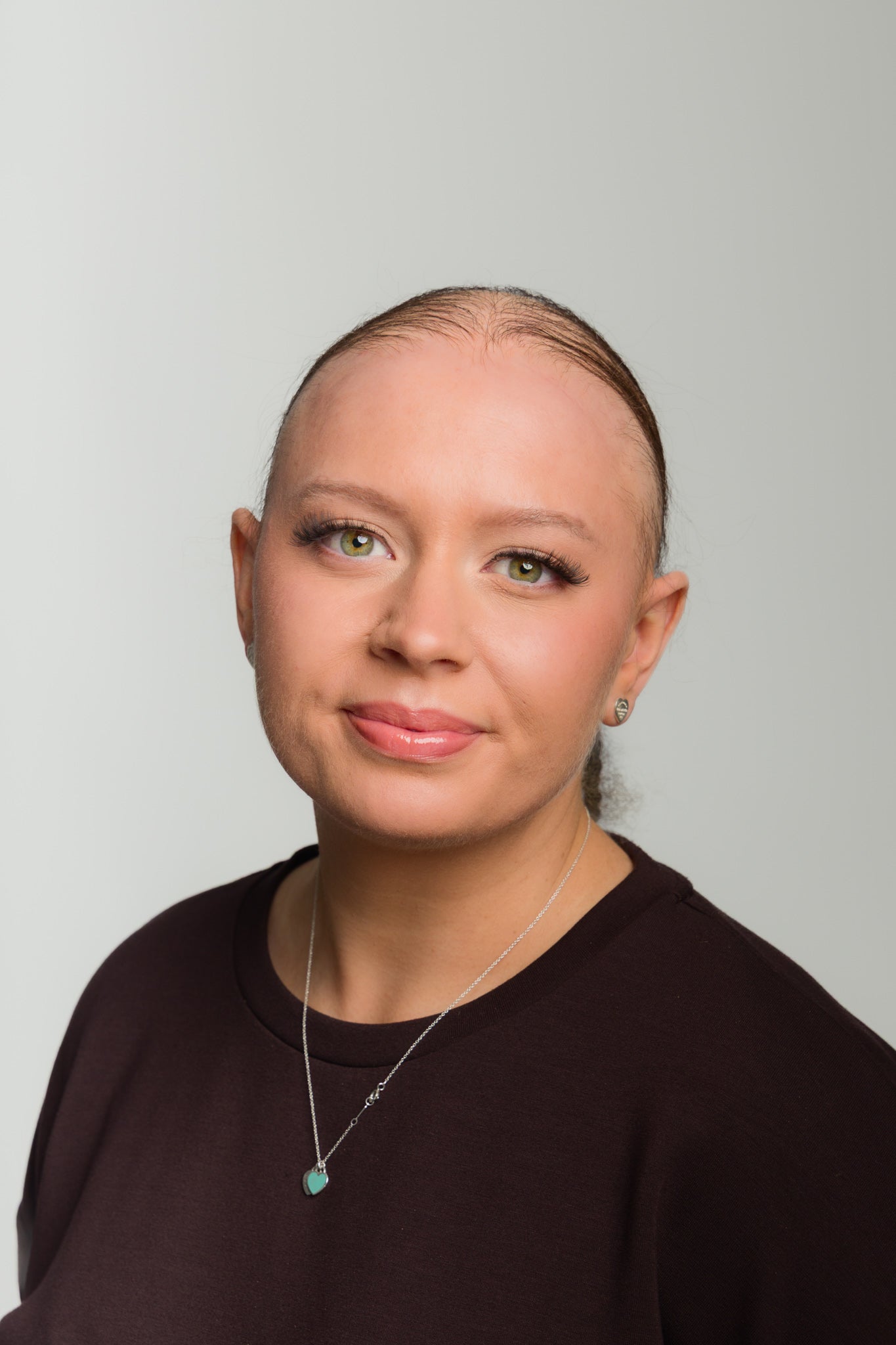

Wigs for Chemotherapy Patients: Your Guide to Confidence and Comfort
Hair loss during chemotherapy is a deeply distressing side effect for many people and is often one of the most distressing parts of treatment. Understanding why chemotherapy causes hair loss and exploring compassionate, effective solutions can help restore your confidence, beauty, and emotional well-being.
This guide will walk you through the reasons behind chemotherapy-induced alopecia, the timing and biology of follicle damage, and provide expert advice on choosing and caring for premium human hair wigs.
You’ll discover different cap constructions like lace front and glueless, find comfortable, breathable options perfect for sensitive scalps, and get style and colour guidance specifically for cancer patients.
We also cover emotional coping strategies, essential scalp care, and post-treatment regrowth protocols, along with information on UK financial support andNHS prescriptions.
Practical tips for wig maintenance will ensure your wig lasts, and common concerns are answered clearly and concisely. Throughout Nuola Wigs’ extensive range, enhanced by a 15% discount for medical hair loss and special 20% and 25% reductions for girls under 18 and under 10, respectively, is here to support you every step of the way.
Chemotherapy and Hair Loss
Chemotherapy-induced hair loss, or alopecia, is the rapid shedding of hair across the scalp and body caused by cytotoxic drugs targeting fast-dividing cells. While chemotherapy targets rapidly growing cancer cells, it also affects hair follicles, which require constant cell division to grow.
The extent of hair loss can vary depending on the specific drug, dosage, and individual sensitivity. Understanding these mechanisms helps you choose effective coping strategies, including scalp cooling and high-quality wigs.
Chemotherapy-induced alopecia typically begins when hair follicles are forced into a regression phase due to drug-induced disruption of mitosis. This process interrupts the anagen phase, the active growth stage of hair, leading to widespread shedding. Knowing this timeline helps you plan forwig fittings and scalp protection from the start of treatment.
Chemotherapy's Impact on Hair Follicles
Chemotherapy affects hair follicles by disrupting the anagen growth cycle, which relies on rapid keratinocyte division in the hair bulb. Cytotoxic agents damage DNA in these cells, triggering apoptosis (programmed cell death) and causing follicles to enter the catagen phase prematurely.
As follicles shrink and detach from the dermal papilla, hair strands loosen and fall out, often within two to three weeks of starting chemotherapy. The severity of follicle damage depends on the drug's specific action. Antimitotic agents like taxanes and anthracyclines tend to cause more pronounced shedding.
Reduced follicle activity halts hair shaft production, leading to thinning patches before complete hair loss occurs. This understanding highlights the importance of early hair-loss mitigation strategies, such as scalp cooling.
Chemotherapy Drugs Causing Hair Loss
Certain chemotherapy drugs are strongly linked to hair loss because they target mitosis in rapidly dividing cells:
-
Taxanes (e.g., paclitaxel, docetaxel) interfere with microtubule function and cell division.
-
Anthracyclines (e.g., doxorubicin, epirubicin) bind to DNA and inhibit topoisomerase II.
-
Alkylating agents (e.g., cyclophosphamide) cross-link DNA strands, preventing replication.
-
Platinum compounds (e.g., cisplatin, carboplatin) form DNA adducts, impairing transcription.
Identifying high-risk drug categories helps you and your medical team plan hair-loss prevention and wig selection before treatment begins. This preparation is key to emotional coping and maintaining your personal style.
Hair Loss Timeline During Chemotherapy
Hair usually starts to shed two to three weeks after your first chemotherapy session, coinciding with peak follicle cell apoptosis. Initial thinning progresses to diffuse hair loss across the scalp, eyebrows, and body by weeks four to six. Shedding may continue through subsequent cycles, with regrowth often delayed until treatment is completed.
Monitoring this timeline helps you schedule wig fittings and scalp care proactively. Having a high-quality human hair wig ready before visible hair loss begins can ease anxiety and support your self-esteem during treatment.
Anagen Effluvium and Chemo Hair Loss
Anagen effluvium is hair loss that occurs during the active growth phase (anagen), when follicles are most vulnerable to cytotoxic damage. Chemotherapy triggers rapid follicle regression and makes hair shafts fragile, leading to diffuse shedding. This differs from telogen effluvium, where stress pushes hair into resting phases weeks after an event.
Understanding anagen effluvium explains why hair regrowth resumes only after follicles recover from treatment-related stress. It also shows how protective measures, like scalp cooling, may reduce follicle exposure to cytotoxic agents and help preserve hair integrity.
Wig Solutions for Chemotherapy Patients

The ideal wig solutions for chemotherapy patients offer a natural appearance, lasting comfort, and scalp safety. Human hair wigs provide a very natural look and feel, allowing for heat styling and natural movement that synthetic fibres often cannot replicate.
Lightweight cap constructions minimise pressure points, while breathable materials support sensitive scalps prone to irritation. These features ensure comfort for daily wear throughout treatment and into the regrowth phases, even as your hair texture may change.
A comparison of lace front and glueless cap styles can help you identify the best fit and application method based on your scalp sensitivity and lifestyle needs.
|
Wig Style |
Cap Feature |
Benefit |
Mechanism |
Why Choose This |
|---|---|---|---|---|
|
Lace Front |
Hand-tied hairline |
Seamless, natural-looking hairline |
Individual hairs are knotted onto fine lace |
Creates an undetectable root and natural appearance |
|
Glueless |
Elastic silicone band |
Secure fit without adhesives |
Protects your fragile scalp barrier |
If you are preparing for chemotherapy-related hair loss, explore our human hair wigs for hair loss, selected for their realistic appearance, comfortable construction and natural movement.
Benefits of Human Hair Wigs During Chemotherapy
Human hair wigs offer an authentic look and feel, using real strands that mimic natural shine, movement, and texture. These wigs can be heat-styled, coloured, and gently washed, allowing you to maintain your personal style during a time of limited control over bodily changes.
High-quality craftsmanship, such as hand-tied caps, recreates natural hairlines and partings, building confidence and reducing self-consciousness in social and professional settings.
Beyond their aesthetic appeal, human hair wigs are durable. With proper care, they can last through multiple treatment cycles and into the regrowth phases.
Lace Front vs. Glueless Wigs
Lace front and glueless wigs differ in how they are applied and how they interact with the scalp:
-
A lace front wig features a fine mesh at the hairline, allowing for realistic baby hairs and seamless parting.
-
A glueless wig uses silicone-lined ear tabs and adjustable straps, eliminating the need for adhesives.
Both cap constructions are designed with scalp sensitivity in mind, but the choice depends on your desired hairline realism and ease of application. Patients with very sensitive or irritated scalps often find glueless styles more comfortable due to their non-adhesive grip and gentle fit.
Lightweight, Breathable Wig Caps for Sensitive Scalps
Lightweight wig caps made from monofilament or open-weft materials promote airflow and reduce heat buildup, helping prevent scalp sweating and irritation.
These caps distribute hair density evenly, avoiding pressure points and friction that can aggravate tender or inflamed skin. By maintaining a cool, dry scalp environment, breathable caps support scalp health and comfort during extended wear, enhancing your daily resilience.
Wig Styles and Colours for Cancer Patients
Many people find it helpful to choose styles and colours that reflect their pre-treatment identity and personality. Soft, natural shades, such as ash blonde, espresso brown, and soft black, blend seamlessly with existing features.
Subtle highlights and lowlights can add dimension without harsh contrast. For styles, shoulder-length bobs, gentle waves, and layered cuts offer versatility while remaining easy to manage. These choices help reinforce familiarity and self-expression during a challenging time.
Nuola Wigs: Support and Discounts for Medical Hair Loss
Nuola Wigs is dedicated to supporting those experiencing medical hair loss through exclusive discount programs: enjoy 15% off full-priced wigs with verified medical hair loss. Discounts may not stack with items already on sale; there is also 20% off for girls under 18, and 25% off for girls under 10.
These savings make premium human hair wigs more accessible. With shipping available across the UK and worldwide, Nuola Wigs provides natural-looking, comfortable solutions that help restore confidence and beauty throughout your chemotherapy journey and beyond.
Emotional Navigation of Hair Loss During Chemotherapy
The emotional toll of chemotherapy hair loss can include feelings of vulnerability, a sense of lost identity, and diminished self-esteem. Acknowledging these feelings is the first step toward building resilience. Integrating supportive tools, such as wigs, scarves, and community networks, can create a foundation for emotional stability and help restore your confidence.
Adopting coping strategies early in treatment can help you maintain a sense of control and personal dignity. Combining practical hair solutions with psychological resources fosters holistic well-being during an inherently stressful period.
You may also find reassurance in Lizzie’s breast cancer and hair-loss story, in which she shares how losing her hair affected her confidence and how wearing a wig helped her feel like herself again.
Emotional Impact of Hair Loss During Chemotherapy
Losing hair can trigger grief, similar to other visible changes associated with illness, impacting body image and social interactions. Many patients experience anxiety, depression, and social withdrawal as they adapt to these changes.
Recognizing these responses empowers individuals to seek targeted coping mechanisms and professional support, helping to mitigate isolation and distress.
Wigs: Restoring Confidence and Beauty
Wigs offer a tangible way to reclaim your appearance and identity during hair loss. A well-fitted human hair wig can recreate your familiar styles, providing a sense of normalcy and reassurance in both professional and personal interactions.
The act of styling and caring for your wig can also foster a sense of agency, contributing to a more positive self-perception and improved mood.
Support Groups and Resources for Cancer Patients
Cancer support charities like Cancer Hair Care and Macmillan Cancer Support offer practical advice on coping with hair loss, peer support networks, and emotional counselling.
Local cancer centres and online forums connect patients with shared experiences, fostering solidarity and reducing feelings of isolation. These resources complement wig solutions by addressing your psychological needs throughout the treatment journey.
Building Self-Esteem During Hair Loss
Patients can build self-esteem by setting achievable self-care goals, such as experimenting with accessories, scarves, or hats, and by practising positive affirmations focused on strength and resilience.
Engaging in creative expression, like trying different wig styles or colours, can reinforce your self-image, while professional counselling can offer strategies to reframe negative thoughts and nurture self-compassion.
Scalp Care and Hair Regrowth Post-Chemotherapy
Post-chemotherapy scalp care focuses on soothing sensitivity, nourishing follicles, and encouraging healthy hair regrowth.
Scalp cooling during treatment can minimise damage, and any supplements, including antioxidants, should be discussed with your clinical team. After treatment, gentle cleansing, targeted massage, and topical stimulants can enhance blood flow and nutrient delivery to recovering follicles.
Tracking your regrowth phases helps manage expectations regarding texture changes, such as chemo curls, and guides appropriate hair care practices.
Scalp Cooling for Hair Loss Prevention
Scalp cooling works by constricting blood vessels and lowering scalp temperature, thereby reducing the exposure of hair follicles to cytotoxic agents. This vasoconstriction slows the uptake of drugs into the hair follicles, minimising cellular damage.
Clinical studies indicate that cold cap protocols, when used before each chemotherapy session, can help reduce hair loss, offering a proactive defence against alopecia.
Hair Regrowth Timeline After Chemotherapy
Hair regrowth typically begins within three to six months after completing chemotherapy, with full density often returning between six and twelve months post-treatment.
Early regrowth may appear as fine, white vellus hairs before thickening and pigmentation resume. Understanding this progression helps patients maintain realistic expectations and adjust their wig usage accordingly.
|
Phase |
Duration |
Description |
|---|---|---|
|
Early Regrowth |
3–6 months |
Fine, fuzzy vellus hairs begin to emerge |
|
Thickening |
6–9 months |
Follicles regain activity, hair darkens |
|
Maturation |
9–12 months |
Hair reaches pre-treatment density and texture |
Chemo Curls and Hair Texture Changes
Chemo curls are irregular, often tighter curl patterns that emerge during early regrowth due to changes in follicle shape and growth dynamics.
These curls may differ in diameter and elasticity from your pre-treatment hair, requiring gentler styling, increased hydration, and compatible styling products. Embracing these textures with appropriate care can enhance comfort and personal expression during recovery.
Safe Hair Regrowth Methods
Safe hair regrowth strategies include gentle scalp massage to stimulate blood flow, topical minoxidil as prescribed by a doctor, a nutrient-rich diet high in protein and omega-3 fatty acids, and avoiding harsh chemicals or heat styling. Regularly using a hypoallergenic, lightweight wig cap during regrowth phases can protect emerging hair while offering styling flexibility.
Financial Support for Wigs in the UK
UK patients can find financial relief through VAT exemption, NHS wig prescription schemes, and charitable grants for hair loss support. VAT relief removes the 20% sales tax on medically prescribed wigs, while NHS wigs may be provided free of charge or subsidised through specialist referrals.
Charities offer voucher programs and grants for those facing financial hardship, ensuring wigs remain affordable. Navigating these pathways can reduce cost barriers and broaden access to natural-looking human hair wigs tailored to your medical needs.
VAT Relief for Medical Hair Loss Wigs
VAT relief for medical hair loss wigs exempts patients from the standard 20% sales tax on qualifying products. To claim this relief, you must provide proof of medical necessity, as advised by your clinician, and complete a VAT relief form provided by retailers. Once approved, the financial benefit is applied at checkout, significantly lowering out-of-pocket expenses.
NHS Wig Prescription Process
The NHS wig prescription process begins with a referral from your oncologist or specialist nurse. Eligible patients receive a voucher or prescription that covers part or all of the cost of a wig from an approved supplier.
Wigs obtained through an NHS prescription meet quality standards and offer a limited selection of styles, but you can supplement these with personally chosen human hair wigs purchased privately if desired.
Charities Supporting Cancer-Related Hair Loss
Charities such as Cancer Hair Care and Macmillan Cancer Support provide grants, voucher schemes, and advisory services for wig procurement and headwear options. These organisations guide patients through application processes and coordinate with healthcare providers to expedite support, reinforcing comprehensive care.
Nuola Wigs: Financial Aid and Discounts
Nuola Wigs offers a 15% medical hair-loss discount on full-priced wigs and supports UK VAT relief via a short declaration form (code supplied after approval).
Special discount tiers, 20% for girls under 18 and 25% for girls under 10, ensure younger patients can access high-quality human hair wigs without financial strain. This inclusive approach underscores Nuola Wigs’ commitment to compassionate care.
Wig Care and Maintenance During Chemotherapy
Proper wig care maximises its lifespan and maintains its natural appearance throughout treatment and regrowth phases. Regular cleaning, appropriate storage, and gentle handling preserve hair integrity, while accessories can enhance comfort and protect sensitive scalps.
Consistent maintenance ensures a secure fit and allows for timely adjustments as regrowth alters head shape and hair density.
Cleaning and Storing Human Hair Wigs
Clean human hair wigs using a sulphate-free shampoo and lukewarm water to prevent dryness. Gently comb the strands with a wide-tooth brush before and after washing, then air-dry on a wig stand to maintain the cap's shape. Store wigs on a mannequin head or foam block in a cool, dry place to prevent tangling and deformation.
Tips for Comfortable Wig Wear During Treatment
Ensuring a snug but not overly tight fit is essential. Opt for wig caps made from monofilament or lightweight materials to minimise friction and pressure. Wearing a breathable cotton or bamboo buffer cap underneath provides a gentle barrier and absorbs perspiration, enhancing comfort during extended wear.
Wig Accessories for Scalp Protection
Accessories such as silk or satin scarf liners, adjustable wig grips, and cooling towel wraps can shield your scalp from irritation, maintain hygiene, and help regulate temperature. Soft fabric liners cushion tender skin and wick away moisture, while silicone grip bands stabilise the wig without adhesives, protecting delicate follicles.
Wig Replacement and Adjustment Timing
With proper care, Nuola wigs are designed for long service life. Consider adjustments as hair regrows, depending on usage and regrowth progress, or when the cap elasticity diminishes and hair density thins.
Schedule adjustments when hair regrowth changes your head circumference or alters your natural hairline, ensuring a continued secure fit and realistic appearance as your follicles recover.
Common Questions About Chemo Hair Loss
Patients and caregivers frequently ask about hair regrowth, prevention methods, and alternatives to wigs. Clear, concise answers can build confidence, manage expectations, and support options beyond wigs. Understanding these fundamentals helps individuals plan their treatment journey and emotional coping strategies.
Hair Regrowth After Chemotherapy
Yes, most patients experience hair regrowth within three to six months after completing chemotherapy, with full density typically returning by twelve months. Initial regrowth may be finer or have a different texture, often referred to as chemo curls, before normal hair cycle patterns resume.
Scalp Cooling: Complete Prevention?
No, scalp cooling can reduce hair loss, but it does not guarantee complete prevention. Its effectiveness depends on the chemotherapy regimen, adherence to the cooling protocol, and individual follicle sensitivity. Many patients retain a significant portion of their hair, although some shedding may still occur.
Alternatives to Wigs for Chemo Hair Loss
Supportive alternatives include scalp cooling caps, soft headscarves, turbans, and medical-grade hats designed for sensitive scalps. Topical concealers like coloured powders and fibres can camouflage thinning areas, while makeup techniques can recreate natural-looking eyebrows and lashes.
Hair Regrowth Duration After Chemo
Hair typically begins to regrow around three months post-treatment, with noticeable increases in density by six months. Full restoration to pre-treatment thickness and length often occurs between nine and twelve months, though individual timelines can vary.
Wig Discounts for Children with Medical Hair Loss
Yes, children are eligible for enhanced discounts: 20% off for girls under 18 and 25% off for girls under 10, on premium human hair wigs. These programs ensure younger patients can access high-quality, natural-looking solutions tailored to their needs without significant financial burdens.
Chemotherapy-induced hair loss can feel overwhelming, but understanding its biological basis, employing preventive measures, and choosing compassionate wig solutions can help restore dignity and confidence.
Nuola Wigs’ premium human hair collections, supportive discount programs, and expert guidance offer practical, empowering support throughout treatment and recovery.